4 minutes read

Salla Blog
Salla Growth Team

In the era of booming e-commerce, organizing and classifying products has become crucial for the success of online businesses; therefore, the product classification system serves as an essential tool to unify and facilitate the display and sale of products across electronic platforms, as it makes a significant difference in the user experience, in addition to improving inventory management and the smoothness of the supply chain.
Salla, the Future of E-commerce, an Easy Platform to Start Your Business

Introductory Overview
The product classification system acts as the organizer to arrange products in a logical and indexable manner. This system aims to unify the concepts and classifications used in the manufacturing and trading of products, and to facilitate the dealing with and effective indexing of these products.
Product classification in the electronic context depends on using barcode symbols and unique global identification codes for each product, where GTIN codes are allocated to each individual product. This system allows e-merchants to classify products accurately and provide comprehensive information to consumers easily and effectively.
The electronic product classification system provides numerous benefits and advantages to all parties involved in the commercial process, enabling consumers to search for products easily and identify the required goods using barcode symbols, which saves them valuable time and effort. On the other side, merchants undoubtedly benefit from improved inventory management and product tracking, as well as providing an enhanced shopping experience for customers due to the implemented product classification system.
The Most Important Things You Need to Know About the Product Classification System
Electronic product classification is an important tool in the e-commerce world, helping to unify and organize product classification and simplify online buying and selling processes. Because Salla always brings you everything important and useful; here is some essential information about the components of the electronic product classification system:
Barcode Symbols: Barcode symbols associated with electronic product classification are used to visually represent data, facilitating scanning and product identification processes. Barcode symbols can be applied to packaging and products in general and are read using barcode scanners.

GTIN Codes: GTIN (Global Trade Item Number) codes are used to assign a unique identity to each product. These codes include barcodes and numbers printed on products that can be read by scanning devices. GTIN codes also help identify and track products and provide accurate information about them.

GS1: A global non-profit organization aiming to develop and promote the use of GTIN codes and electronic product classification. It also works on unifying standards and principles related to product classification and providing guidance and support to companies and merchants in implementing them.
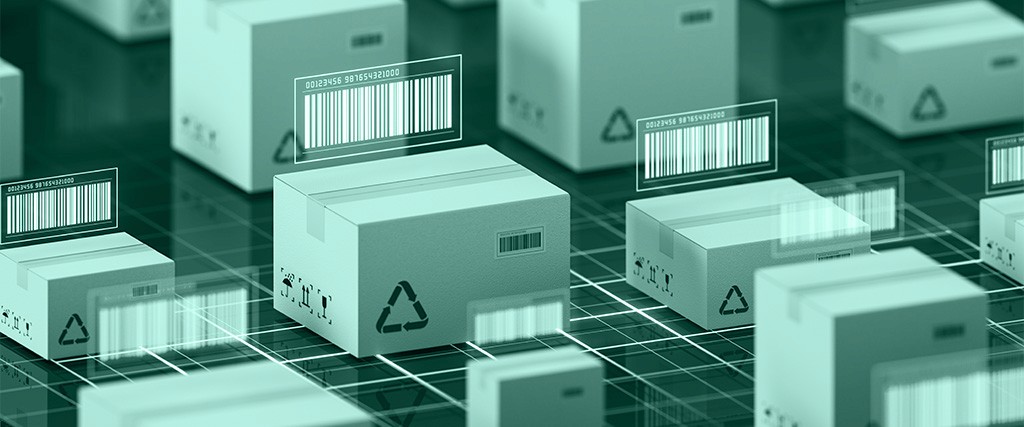
Inventory Management: The electronic product classification system helps manage inventory effectively. By using barcode symbols, merchants can track products, monitor inventory levels, and ensure the availability of required products for customers.

Global Product Classification: The Global Product Classification (GPC) system provides a standardized classification for products across a wide range of industries, using a hierarchical classification that includes different levels of detail, allowing products to be classified with accuracy and consistency.

Facilitating Online Shopping and Selling: The product classification system helps simplify the online shopping, selling, and buying process. Shoppers can easily search for products and access detailed information about them, allowing them to make informed decisions and improve the shopping experience. Here are effective marketing strategies used by the largest global stores and suitable for limited-budget stores.
Improving User Experience: Through the implementation of the product classification system, consumers can easily search for products and identify what they need using barcode symbols, providing an enhanced shopping experience and helping to save time and effort.

Product Tracking: The product classification system tracks the movement of products from the factory to the points of sale and ultimately to the end customers. This helps track shipments and improve the smoothness of the supply chain.
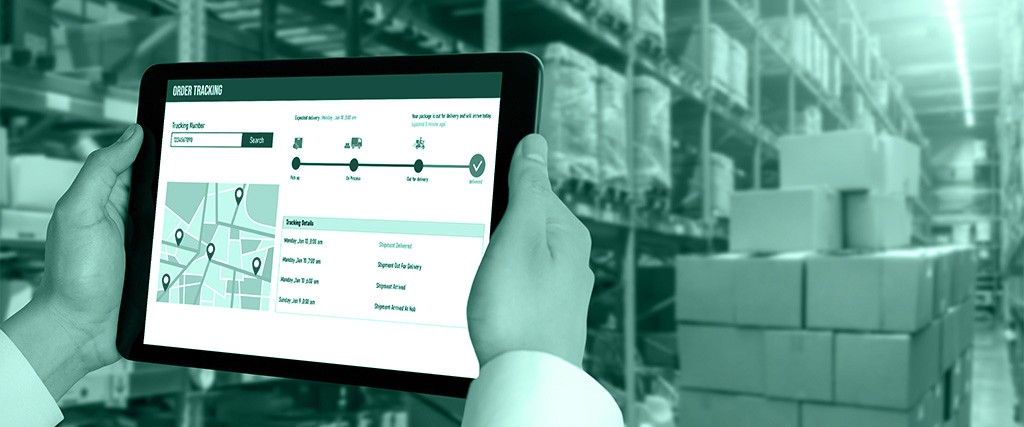
Compliance with International Standards: Achieving compliance with international standards in e-commerce, and thereby facilitating transactions with government associations, suppliers, and other business partners, is one of the most important foundations of the product classification system.
How to Start Your Business in E-commerce

Updating Online Sales Channels: In applying the product classification system, you must update your online sales channels with the new information related to electronic product classification and barcode symbols. Within online stores, displaying barcode symbols and product details clearly to consumers is imperative.

Training and Awareness: Make sure to train your employees working in your e-commerce business on how to classify your products and use barcode symbols correctly. They must be familiar with the procedures and tools associated with the product classification system.

Periodic Review and Update: Periodically review and update the electronic product classification to ensure it reflects changes in products and inventory.

Assigning Codes to Products: Assign unique GTIN codes to each product. These must include specific information such as the manufacturing country of the product, the manufacturer, and other information related to the product.

Finally, the product classification system contributes to enhancing compliance with international standards in e-commerce and facilitating transactions with government entities and other business partners. This system acts as a base for the seamless exchange of information and achieving transparency in the supply chain.

Salla Blog
Salla Growth Team
189
50
Featured Writer

Product Development
What did Alice in Wonderland say about new product development?
Developing a new product may seem difficult in light of the digital acceleration that affects not only the functions of products, but also the circulation of their news, making the process of keeping up more complex and stressful. What is the solution then?...
10 minutes read
Salla Blog

Product Development
A new product name that could redefine the success and profit equation
When choosing a name for a new product, it is essential to evoke the reality that communication and language are an integral part of all brand expressions, just as they are important in human relationships; naming is, in fact, inseparable from them...
7 minutes read
Salla Blog
Product Development
The Product Classification System in 13 Important Points
In the era of booming e-commerce, organizing and classifying products has become crucial for the success of online businesses;…
4 minutes read
Salla Blog

Product Development
How to create a digital product in Salla
The content creation and e-commerce industries offer fractional profits to their owners, because they rely on easy methods within everyone's reach,...
12 minutes read
Salla Blog