12 minutes read

Salla Blog
Salla Growth Team

In a highly competitive market, competitive advantage has become the winning card and the defining differentiator. At the top of these advantages lies innovative product packaging, which can occupy a significant share of brand advantage in the market. This is because product packaging can provide an accurate perception of the nature of the experience the customer will receive. The more distinctive and satisfying it is for a broader segment, the more you will find it worthy of creating a first impression of product quality and manufacturing efficiency. Indeed, it may even give a glimpse of the identity across all its interactions. Therefore, packaging is not a secondary matter, and it should target the interest of the merchant keeping pace with the growth movement in both local and global markets.
Salla, the Future of E-commerce: An Easy Platform to Start Your Business
Let us speak in the language of numbers to make the picture clearer. Imagine that the global packaging market size is expected to reach $1,652 billion by 2027, growing at a compound annual growth rate (CAGR) of 7.5% during the forecast period. Factors such as rising e-commerce sales and the increasing demand for consumer goods and pharmaceutical packaging have driven the growth of the product packaging market. This reflects the growing importance of this market and the priority of including it in the marketing strategies of online store owners.
What is Product Packaging?

It is the technical execution that combines engineering and creativity to produce innovative solutions and unique, non-repetitive ideas for packaging a product for a specific brand. This includes all the elements that are delivered with the products to ensure they are presented, stored, or transported correctly until they arrive at their final destination in excellent condition.
Therefore, the role of product packaging seems clear: it facilitates all stages of the logistics process and is also used to protect the product from any external damage. Consequently, whatever its form or manufacturing material, your packaging must secure the product during loading or unloading, in line with its specific contents, as well as the risks of damage during transit.
Most customers who frequent traditional shops or online stores do not realize that there are different types of packaging, and that each packaging has a function and a goal that distinguishes it. Therefore, it is essential for the merchant to be aware of what suits the customers' needs when deciding on the product packaging to sell and implement.
About the History of Product Packaging

Product packaging has been present for hundreds of years, and its main role at that time was to contain and transport products without risk. The packaging industry was heavily influenced by the Industrial Revolution in the mid-nineteenth century, accompanied by a mass exodus from rural areas, which would create an increase in demand in villages that were previously self-sufficient. Consequently, this industrial revolution contributed to the growth of food outlets and consumer goods for the newly emerging working class. The development in the industrial era led to the creation of department stores, which created the need to educate the consumer about the product, and subsequently, to differentiate it in order to sell it, which called for the emergence of product packaging.
In the era of technological development, global trade has pushed product packaging to meet long-term preservation needs. For example, transporting frozen or fresh products over long distances has become possible thanks to the development of new packaging that meets these needs from a technical standpoint. Over time, a tremendous diversity in the use of packaging has emerged, taking on different forms (bag, box, board, cylinder, etc.) and varying materials made of paper, cardboard, plastic, wood, glass, or metal. If necessary, the packaging is also completed with accessories (assembly, handles, protective inserts, connection, etc.).
Why is Product Packaging Important?

Managers of small and medium-sized enterprises often underestimate how important packaging is. There is a common belief that product packaging is an extra cost on top of the product, and they do not consider it a marketing asset or an ambassador for the product and the brand.
Below, we discover the importance of product packaging in today's industries:
The field of product packaging is an essential partner for all industrial sectors - due to its functions. The main sector for packaging is the food industry, which covers more than 60% of the packaging produced, followed by the pharmaceutical industry, then cosmetics and perfumes at 11%, followed by cleaning products, chemicals, manufacturing industries, and distribution.
Product packaging is an important factor in the success of the shipping operations for your product and store, as packaging is inseparable from the product it contains. The packaging has multiple functions, including: protecting the product, which ensures it is preserved from damage and spoilage until it reaches its final destination in excellent condition, including transport facilitation, and also attracting the customer's attention and displaying basic information. Furthermore, product packaging works to differentiate the product from the rest of the competing products, and therefore there is a close relationship between the product packaging stage and enhancing your brand awareness.
Product packaging is characterized by being resistant and adapted to its specific contents, facilitating all stages of the logistics process and preventing damage to goods, as well as the financial and environmental losses that can result.
Product packaging contributes to facilitating storage operations. Each product has its own characteristics and storage method. For example: fresh foods have different requirements than medicines, and each will require appropriate packaging.
Good packaging saves space and facilitates subsequent sampling operations, which is a very important feature for merchants.
Product Packaging and the Environment

Product packaging is the first contact with the consumer and is the brand's ambassador to them. Therefore, it must fulfill a large number of technical, marketing, and environmental functions alike.
It has now become necessary to integrate the concept of environmental protection into packaging design, especially regarding the issue of packaging waste. International directives have defined the basic requirements that packaging must meet, and packaging has become subject to globally certified standards, regulations, and systems. Since the emergence of sustainable development policies, the packaging industry has seen the rise of what is known as "sustainable", "ecological", or "green" packaging. For example, cardboard packaging has been developed as a more environmentally friendly alternative to current polymer packages. Along with this, the rising awareness of food poisoning risks, accompanied by the need to have high-quality fresh products, has enabled us to witness the birth of what is called active and intelligent packaging, which transmits information about product characteristics directly to the consumer.
Methods of Product Packaging
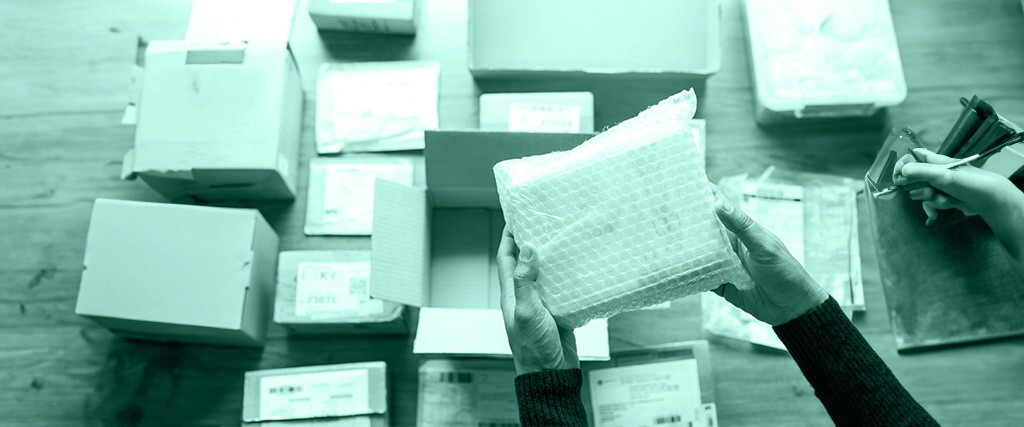
There are 3 ways to package products in order to preserve and protect them: primary packaging, secondary packaging, and tertiary packaging.
Primary Product Packaging (Primary Packaging)
This is the visible packaging of the product that directly touches the product. It is the form in which the product is presented at the point of sale, manufactured in a way that forms a stock-keeping unit for the consumer.
Example | A sardine can, a cornflake box, an olive oil bottle. Sometimes this type of packaging can be completely removed, especially sandwich wrapping. From time to time, the primary packaging remains intact, as is the case for an olive oil bottle.
Primary packaging achieves many goals in terms of hygiene, convenience, and marketing.
Secondary Product Packaging (Secondary Packaging)
The function of this classification is logistical, allowing different products to be grouped together to design sets. Usually, the packaging is made of cardboard, which allows the product to be transported efficiently and easily from the distributor to the consumer.
Example | It can be a multi-pack of consumer units containing small packets of wraps, or several cans of drinks. A cardboard box containing a hundred sardine cans can also be called secondary packaging.
Tertiary Packaging
Tertiary packaging is not always visible to consumers, except for some discount brands. It groups secondary packaging into delivery units to allow for the transport of products. This often includes pallets, grouping several boxes, plastic shrink wrap, etc. The third level of packaging represents a group of packaged products in bulk quantities, used by sellers to facilitate the transport of products in large volumes. The different types of product packaging complement each other during product shipping.
Different Types of Packaging for E-commerce
Just as we must consider the suitability of the product packaging with the intended use of the product, minding the transport conditions is also important. Creating high-quality packaging is not a luxury but a necessity in order to transport goods without risks, whether simple or complex. Here are the types of packaging used by e-commerce merchants:
Corrugated Cardboard Packaging
It is one of the most common types of packaging among online merchants. Its advantage is that it is strong, stacks perfectly, is environmentally friendly, and is fully recyclable. It is also possible to use double-wall corrugated cardboard boxes to strengthen and enhance the durability of heavier goods.
Bags and Pouches
For very light but non-fragile products, you have an ideal option to meet this need: using polyethylene packaging, a plastic material often used in the food packaging industry. It is also possible to use tear-resistant Tyvek mailers. There are also plastic shipping bags to secure the shipment of your products; these packagings are light and resistant, can be easily stored, making it easy to send small packages.
Padded Mailers
These packages are ideal for shipping small or fragile items such as handicrafts, jewelry, books, and others to enhance protection. It is also possible to add recyclable paper crumbs or wrap with bubble wrap.
Custom E-commerce Packaging
Custom product packaging is an ideal way to deliver an exceptional and successful unboxing experience to your customers. You have several options in terms of printing and customization. In addition, you have the ability to fully customize your box to present your unique brand and deliver an unforgettable experience that satisfies your customers.
How to Make Product Packaging a Unique Marketing Message?
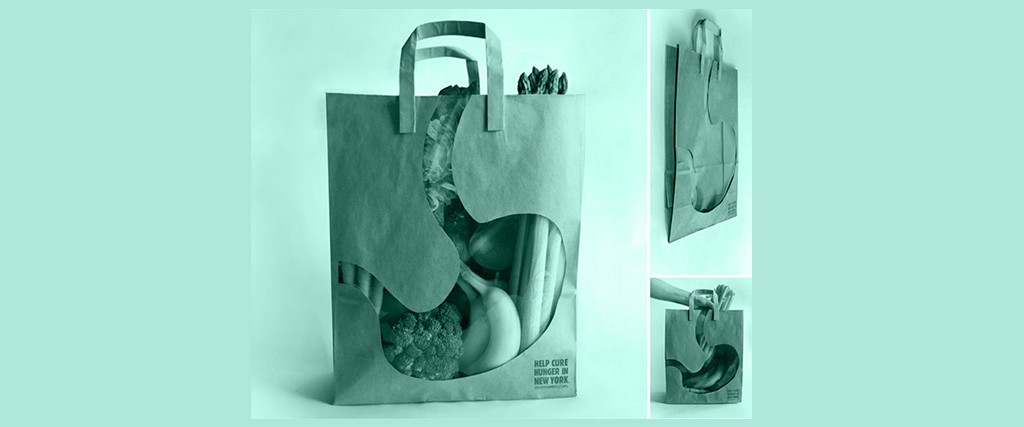
Effective packaging has three main roles: sales, protection, and information. Consequently, the visual aspect of the packaging must enhance the desire to possess the product and give accurate information about the product it contains. This can be achieved by the following:
The Packaging Must Be Noticeable
Abundance is still distracting. Therefore, in stores, and especially in supermarkets, the variety of available offers can sometimes overwhelm consumers. This is what makes uniqueness in packaging design an essential requirement to serve as a prominent landmark that catches the eye at a glance. The buyer must be able to recognize the product in front of them without losing the astonishment created by its visual appeal; surprise through colors, sizes, and design is essential.
The Packaging Must Attract the Consumer
Excellent packaging must stand out from other packaging in the same department to arouse the buyer's desire to purchase. Consequently, two aspects must be taken into account: the relevance of the message conveyed and the sensory perception of the packaging. It is important to consider advertising messages and design elements so that the packaging is sustainable and relevant to the direction and voice of the brand.
The Packaging Must Inform Customers of the Necessary Information
When it comes to launching a new product, packaging plays a strategic role with customers:
The label on the packaging must contain three essential details that should stand out on the label in the manner described: 1) product identity statement, 2) net quantity statement, 3) name and main place of business of the supplier.
Prioritize information: one look should be enough for the customer to understand and grasp the details related to the product in front of them.
Present the competitive advantages of the product in a clear and concise manner while reassuring the customer of their choice. The Best 20 Online Marketing Tools for Your Online Store
What Do E-commerce Customers Want from Product Packaging?
In e-commerce, the quality of the packaging you use determines the evaluation level of your product and the professionalism of your online store with the customer. Indeed, you must do everything you can to win customers over and show their importance. The way you care for the packaging is a massive advantage in making this bet successful. What e-commerce customers expect is:
Simple and clean packaging
Consistent branding
A protected and intact product
Eco-friendly packaging materials
Your store's customers do not want to see their order in a miserable condition: scratched, scattered, or damaged, and they will certainly not prefer a product arriving with leaking liquids, or small product items packed in huge boxes.
How Should a Brand Invest in Product Packaging Design?
There is a close relationship between product packaging design and brand building. Therefore, when you want to package a product, you must conjure up the perception you want to create about your brand.
Here are 4 points to help you link your packaging to your brand:
Observe the packaging design of competing products in the market and gain inspiration. Carefully analyze the competitors' achievements; this will allow you to get ideas, but use a completely different design.
Enhance your brand story. Keep in mind that a business is considered invisible without its history, values, mission, vision, and personality. Product packaging should tell your brand's story.
Define a personality and establish your brand's vision. Do not think of packaging design as just a way to deliver your products. Express your competitive advantage in a single sentence, and discover what concepts and metaphors you can use to describe your brand.
Make the design consistent. It is important to design product packaging in line with your brand's identity and values. Use simple, well-thought-out concepts in an optimal format that can be supported by the logo, typography, and color, and enjoy the results :)
Invest in packaging; do not underestimate the power that product packaging design can have on your brand. In fact, packaging is often the first point of contact between your customers and your product. Remember that it serves as an ambassador for your brand.
A Final Thought...
In the commerce and business market, you are the way you present your products and your brand. Always remember this to expand your customer base and raise loyalty rates. Here are strategies for targeting new customers. Professional product packaging is the beginning of the road to success in e-commerce and raising awareness of your online store.
Have you not set up an online store yet? We invite you to join thousands of professional merchants on the Salla platform and enjoy many features, such as easy integration with various shipping companies in Saudi Arabia that suit your needs.

Salla Blog
Salla Growth Team
189
50
Featured Writer

Pricing
Product Pricing: With Professional Pricing Tools and Strategies
How do you price your products and what is its impact on your business? After covering in detail how to create an online store, we will show here in this article how to price your products—whatever type of product you sell—...
12 minutes read
Salla Blog

Brands
Essential steps to build a strong brand
If you mention "building a brand," the initial perception might be the brand's (appearance), the logo, or the trade name, but in reality, this is only a small part of the complete picture—of the "positioning" in the customer's mind...
9 minutes read
Salla Blog

Brands
Steps to register your trademark in Saudi Arabia
The importance of a brand lies in distinguishing your online store's goods and services from competing stores by defining the store's name and logo, and gaining the trust of customers,...
7 minutes read
Salla Blog
Brands
Product packaging is your brand's ambassador
In a highly competitive market, competitive advantage has become the winning card and the defining difference, and at the forefront of these advantages sits innovative product packaging, which can occupy a significant portion of a brand's advantage in the market...
12 minutes read
Salla Blog